In the past 24 hours, you may not have noticed just how much AI touched your life—suggesting your morning playlist, filtering your email spam, or auto‑correcting your messages. Maybe you relied on smart home assistants to adjust your heating or auto‑renew subscriptions recommended by recommendation systems. Yet, there are times you chose not to use an AI tool. Perhaps the privacy concerns of voice assistants made you avoid “always‑on” features, or you doubted auto‑generated summaries because they occasionally miss nuances.
But have you ever stopped to wonder which of the gadgets, apps, or daily routines you take for granted are actually powered by AI—and how invisible they’ve become in your life?
Consider your smartphone’s camera—that portrait mode, scene detection, even night‑mode enhancements are AI‑powered, yet few realize it’s not magic but trained machine learning models subtly improving every shot. You might recall a moment when autocorrect confidently inserted the wrong word—like “ducking” instead of something much more colorful—and your immediate correction steered you away from miscommunication.
The most powerful AI in your life might be the one you never notice—quietly shaping what you see, hear, and choose each day.
Beyond the usual, AI is quietly at work in optimizing traffic lights, detecting shoplifting in retail stores, or even predicting heart irregularities in smartwatches. But such hidden uses raise questions: what if we rely too much on these systems to make judgment calls—like trusting ride‑share pricing or auto‑decisions on newsfeeds? Over‑dependence may dull our critical thinking, erode privacy, or shift blame when outcomes go awry.
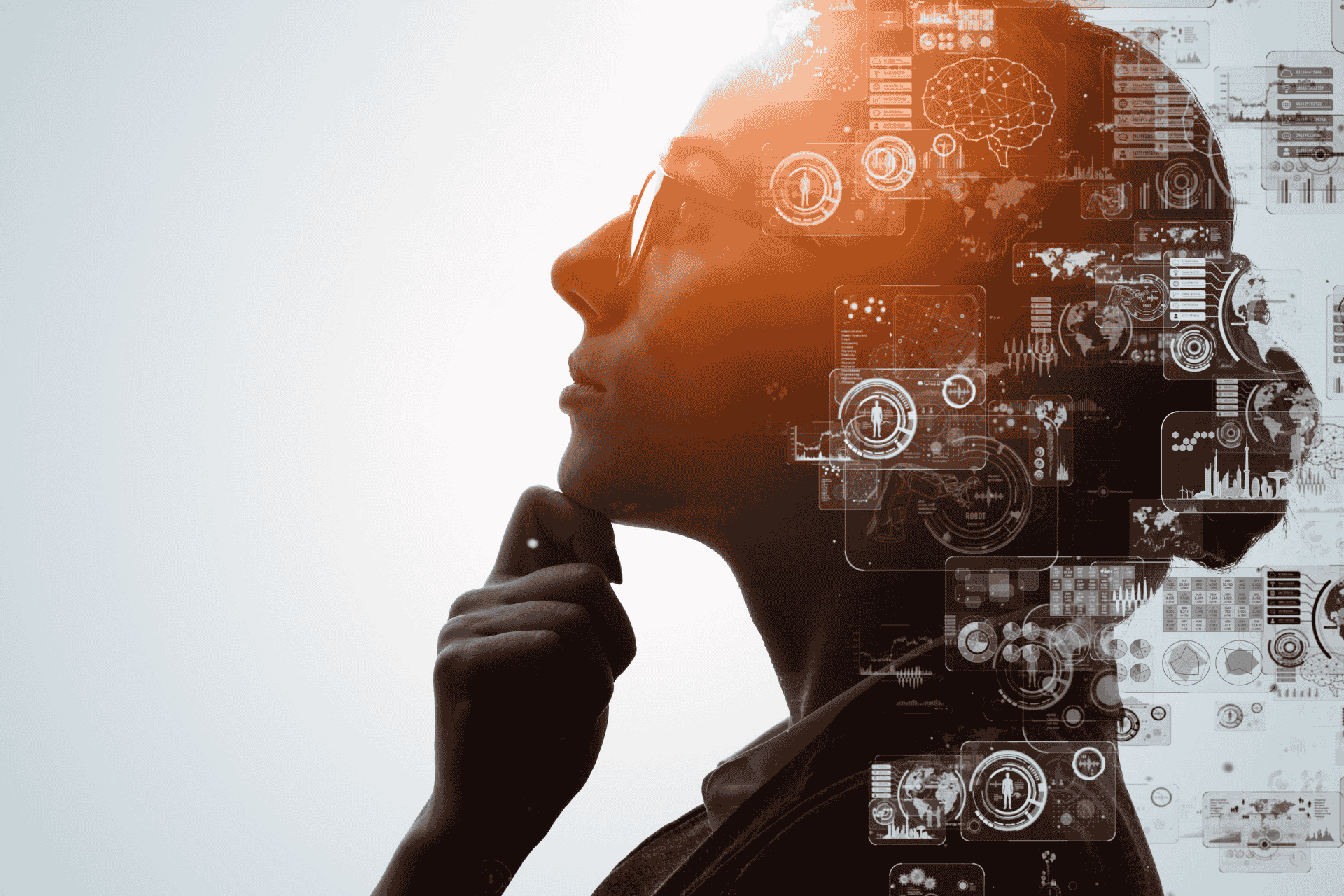
The Illusion of Thinking Machines
Among non‑experts, a common misperception is that AI “thinks” or has intent like a human. AI systems only respond based on patterns—they lack awareness or understanding. That’s the key of this section: demonstrating that AI is ubiquitous, helpful, but fallible and often misunderstood.
Resources:
AI in photography and phones: hidden ML inference
Examples of embedded AI in infrastructure (traffic light systems, retail)
Explanation of autocorrect mishaps (common NLP “hallucinations”)