AI: What Are We Getting Wrong About It?
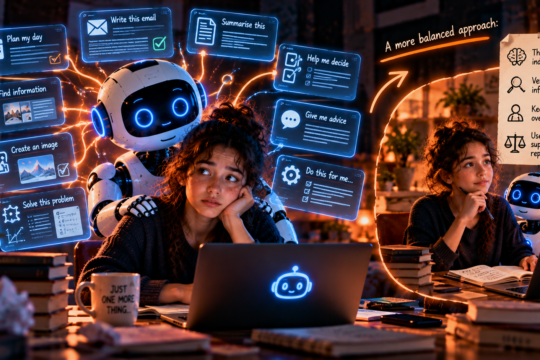
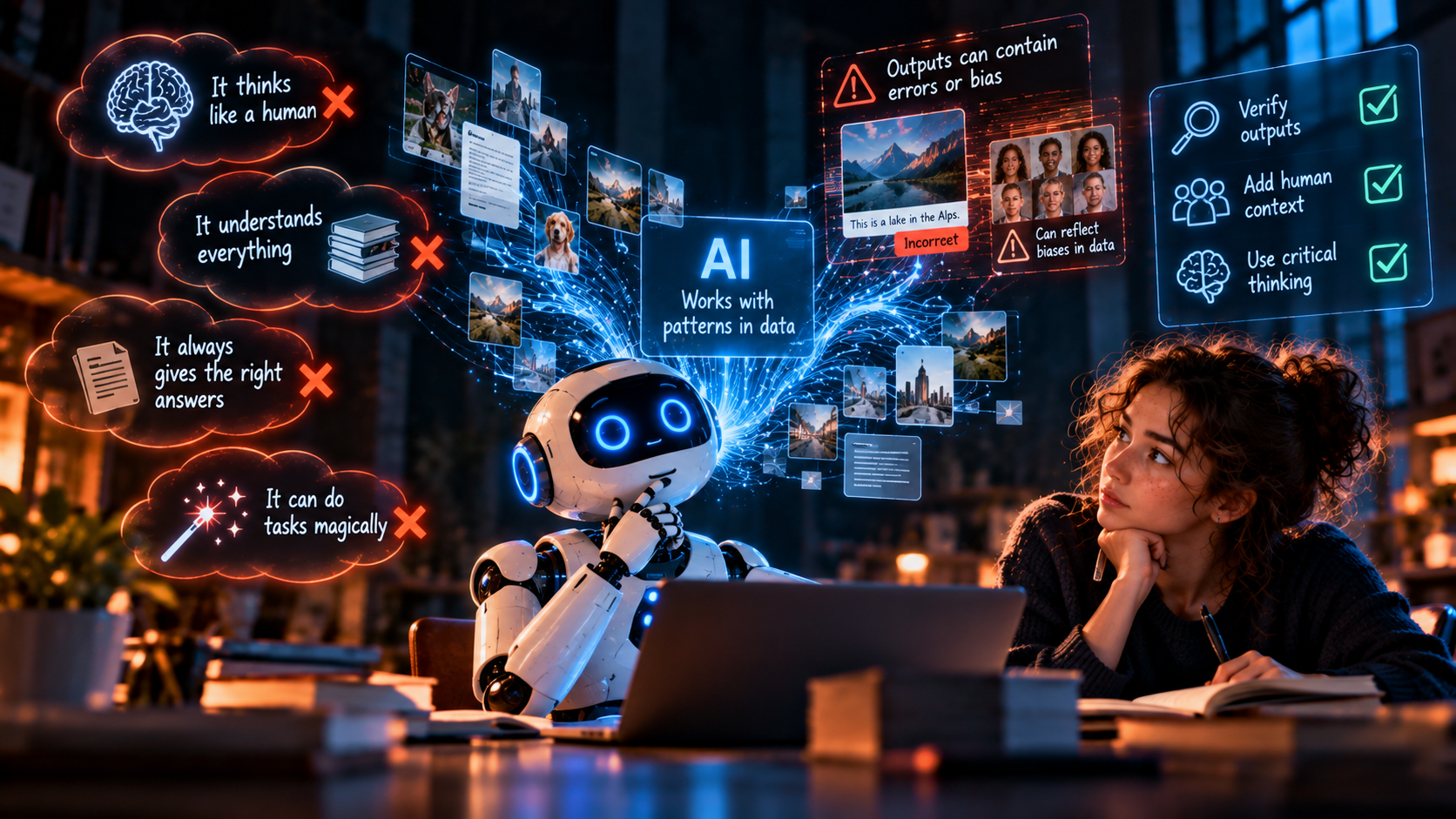
One of the biggest misunderstandings about AI is assuming that it thinks, understands or produces reliable answers independently of human judgement. Its convincing outputs can encourage people to trust it...
Explore how AI already shapes everyday tools, choices, and routines.
One of the biggest misunderstandings about AI is assuming that it thinks, understands or produces reliable answers independently of human judgement. Its convincing outputs can encourage people to trust it...
As AI becomes increasingly useful in everyday life, convenience can gradually turn into dependence. Relying on it too heavily for decisions or routine tasks may weaken critical thinking, problem-solving skills...
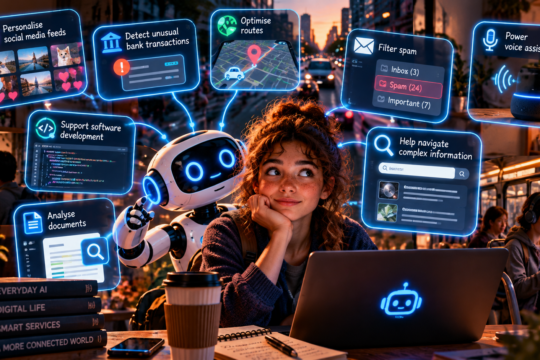
AI is already part of everyday life in ways that often go unnoticed. It helps personalize social media feeds, detect unusual banking transactions, optimize routes, filter spam and power voice...
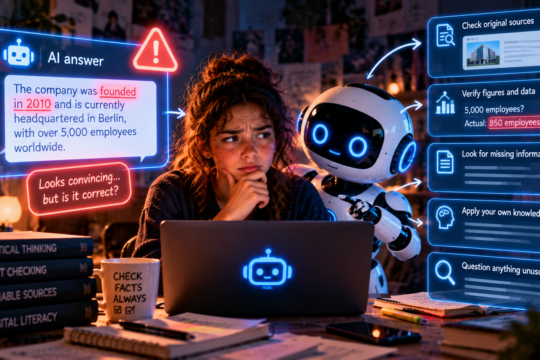
AI can produce answers that look polished, logical and convincing while still containing significant mistakes. Incorrect company information, missing data, faulty calculations or inaccurate facts may easily go unnoticed when...
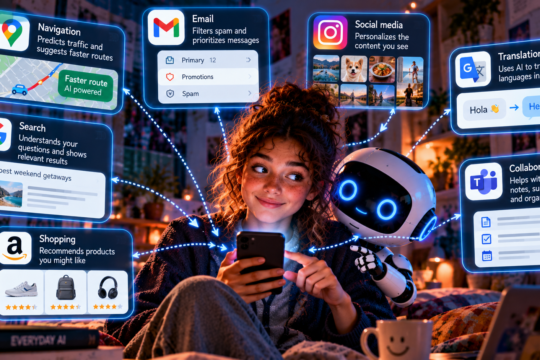
Many people interact with AI everyday without consciously recognizing it as artificial intelligence. Navigation apps can predict traffic and suggest faster routes, email services filter spam and prioritize messages, while...
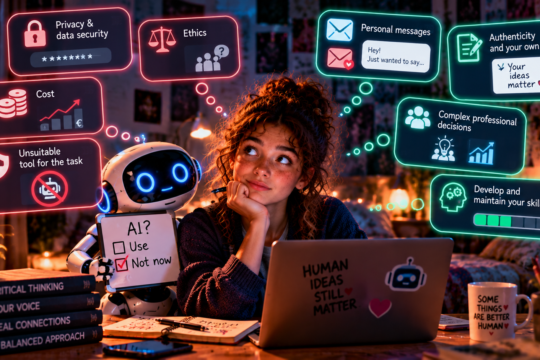
Choosing not to use AI can be as important as deciding when it is useful. Concerns about privacy, data security, ethics and cost can make some tools unsuitable, while other...
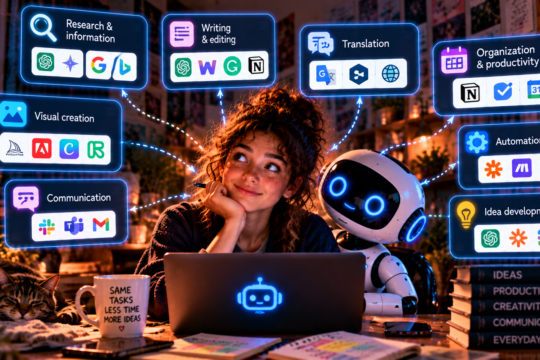
AI-powered tools are becoming part of everyday routines at work and at home, supporting tasks from research and writing to translation, organization, visual creation and communication. Chatbots, productivity platforms and...
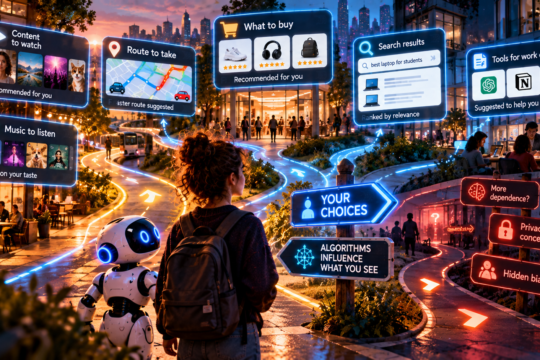
Algorithms shape countless moments of everyday life, often without attracting our attention. They help recommend content, plan routes, correct writing, rank search results and support professional or academic tasks, while...