How do you manage to stay up-to-date in such a...
Keeping up with AI does not necessarily mean following every new model, tool or update. In such a fast-moving field, people are finding different ways to stay informed, from research...
Keeping up with AI does not necessarily mean following every new model, tool or update. In such a fast-moving field, people are finding different ways to stay informed, from research...
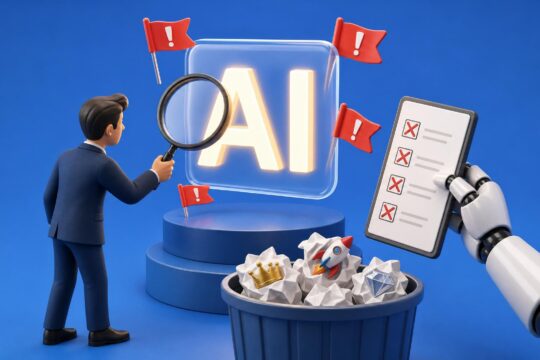
AI is surrounded by bold promises, from instant productivity gains to claims that it will replace entire professions. But exaggerated language, missing evidence, unnamed sources and little acknowledgment of risks...
AI systems learn from data created by societies that already contain inequalities and biases. When historical patterns are used to make decisions about hiring, lending, law enforcement or other areas,...
Interacting with AI services often means sharing information with systems whose data practices may not always be obvious to users. Personal details, work-related information or other sensitive data can potentially...
Current AI systems can produce impressive results, but their capabilities still come with important limitations. They depend heavily on data, can generate convincing but incorrect information and may struggle when...
Training AI is not simply a matter of collecting as much data as possible. The information used needs to be accurate, relevant, representative and well structured, because models learn patterns...
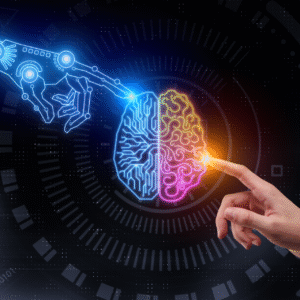
Today's AI can produce remarkably human-like responses, but that does not mean it learns or thinks in the same way people do. AI systems identify patterns in data and use...
Explaining AI to a child means turning a complex technology into something familiar and understandable. It can be described as a smart digital helper that learns patterns from many examples...
One of the biggest misunderstandings about AI is assuming that it thinks, understands or produces reliable answers independently of human judgement. Its convincing outputs can encourage people to trust it...
As AI becomes increasingly useful in everyday life, convenience can gradually turn into dependence. Relying on it too heavily for decisions or routine tasks may weaken critical thinking, problem-solving skills...