Who Gets a Say in the Rules for AI?
As Ai increasingly affects everyday life, its regulation is not only a matter for governments, institutions and technology companies. Citizens can also influence how AI is governed, although the opportunities...
As Ai increasingly affects everyday life, its regulation is not only a matter for governments, institutions and technology companies. Citizens can also influence how AI is governed, although the opportunities...
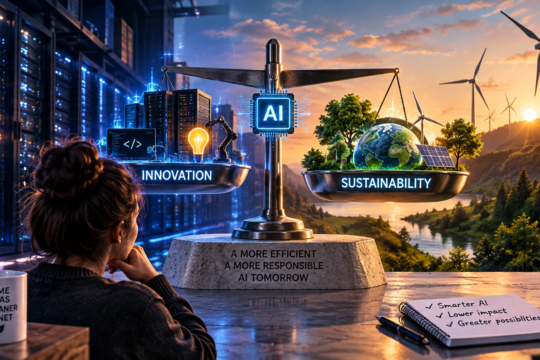
Behind every AI system is a physical infrastructure that requires energy and resources, making environmental sustainability an important part of the conversation about technological innovation. Balancing the two may involve...
Access to AI is not only about having the latest tools, but also the infrastructure, education and skills needed to use them effectively. Individuals, companies and countries with greater access...
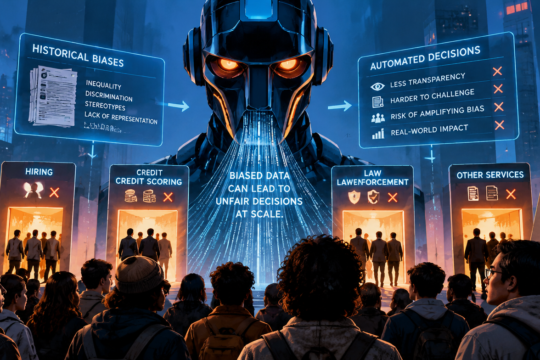
AI systems learn from data created by societies that already contain inequalities and biases. When historical patterns are used to make decisions about hiring, lending, law enforcement or other areas,...
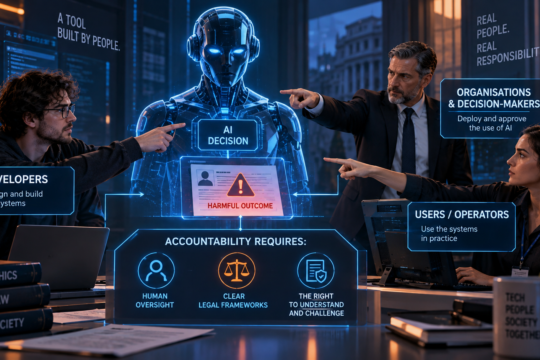
When an AI-driven decision causes harm, responsibility cannot simply be transferred to the technology itself. AI remains a tool, while people and institutions decide when, where and how it is...
AI systems do not learn in a vacuum: their outputs are shaped by the data they are trained on, the way that data is selected and the choices made when...
Interacting with AI services often means sharing information with systems whose data practices may not always be obvious to users. Personal details, work-related information or other sensitive data can potentially...